
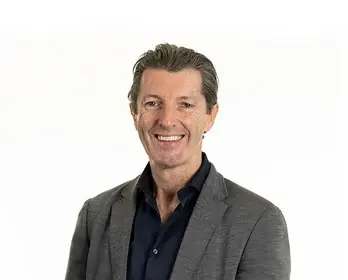
EP 415 with guest co-host Andrew Craig.
Fundraising isn’t a numbers game, it’s a targeting problem.
In this episode, Shipshape VC founder Daniel Sawko explains why startups waste hundreds of hours pitching the wrong investors, how “zombie funds” distort the market, and why blasting your deck to 10,000 investors destroys focus.
We unpack information asymmetry, interest rate impacts, UK vs US capital markets, and how founders should actually build investor relationships.
If you’re raising seed, Series A or beyond, this is your real-world fundraising masterclass.
Key themes:
Startup fundraising strategy
Venture capital
Raising seed funding
How to raise money for startup
VC mistakes
UK startup funding crisis, investor targeting
Follow us:
Transcript
Fundraising is broken because companies that are looking for investors, and there are tens of thousands of them, think that they've got to start with emailing all of those tens of thousands of investors.
Speaker A:Problem is that those cost tens of thousands of pounds.
Speaker B:You better know your onions because if you go and meet a VC who's an expert and you don't know how to answer every single question about your product and about the addressable market, you fall at the first hurdle.
Speaker A:But ultimately, when someone's fundraising, they're selling equity, which is a really complex product.
Speaker B:If you're having coffee with the first time founder, what is the one primary fundraising habit that you'd tell them to adopt?
Speaker B:Foreign.
Speaker C:We're diving into fundraising and why it feels like speed dating with fewer matches and more crying.
Speaker C:Our guest thinks the whole system is broken.
Speaker C:Founders email thousands of investors, investors ignore thousands of founders, and everyone's tired.
Speaker C:He's fixing that.
Speaker C:We talk about discovery, targeting the right capital, why data beats hype, and how raising money shouldn't require 500 hours, 10,000 emails and a mild existential cris.
Speaker C:So buckle up.
Speaker C:This one will save you months of your life and several therapy bills.
Speaker C:Welcome to BWB the Alternative MBA with.
Speaker B:Me, Andy Ury and me, Andrew Craig.
Speaker C:And today we are delighted to be joined by Daniel Savka, CEO and founder of Shipshape vc, a free investor search engine enabling you to search investors and investments by topics.
Speaker C:Daniel, welcome to the podcast.
Speaker A:Thank you very much for having me, Andy.
Speaker C:It's a real pleasure.
Speaker C:Now, Daniel, I think, you know, something you are known to say is you feel that fundraising is perhaps a bit broken.
Speaker C:Perhaps you could elaborate.
Speaker A:Yeah, so fundraising is broken because you've got a market in which you, in any market, you need discovery of the other side.
Speaker A:So you've got people who are looking to access funding and those who want to provide it.
Speaker A:And in order for that market to function effectively, they need to be able to find each other quickly and without too much cost.
Speaker A:Now, the reason why fundraising is broken is companies that are looking for investors and there are tens of thousands of them out there think that they've got to start with emailing all of those tens of thousands of investors.
Speaker A:So they're not focusing, they're not spending the right amount of time with the right investors.
Speaker A:And it might just be, and it probably is just a few dozen investors that they've ever got a shot at getting a check from.
Speaker A:So they're spending time with the wrong.
Speaker C:End of the market, the SME, the startup end of the market here, are we, or does this apply more broadly,.
Speaker A:You think it applies more broadly.
Speaker A:In fact, I would say that actually the number of investors probably goes down as the company gets larger, depending on the type of funding that it's looking for and the size of that funding.
Speaker A:So yeah, actually I'd say at the earliest stage you're more likely to have more funds that in theory could write.
Speaker B:That check and high net worth individuals or angel investors at a certain level as well.
Speaker B:Right.
Speaker B:So then it's a hugely fragmented audience you're trying to address and you can sort of burn yourself out trying to approach hundreds or thousands of potential people who could write you a check when actually that's a huge waste of focus and management time.
Speaker A:Right, 100%.
Speaker A:Yeah, it's exactly that.
Speaker A:We're talking about a long tail market here.
Speaker A:Not everyone cares about, for example, vaccines.
Speaker B:For fish, to put it mildly.
Speaker B:Yeah, fish do, hopefully fish do and.
Speaker A:Fish farmers really do and people involved in that industry really do.
Speaker A:But actually to you and I, would we write a check to a company, we wouldn't have any idea as to whether or not that was a good, good business to back.
Speaker C:This is like dating though, isn't it?
Speaker C:I mean, it's the same sort of problem meeting people.
Speaker C:That doesn't mean that fundraising is broken.
Speaker C:It's like it's hard to meet the right people.
Speaker A:But, but I, that's, that's actually, that is the problem.
Speaker A:It's hard to meet the right people and actually you need to meet the right people in order to make a transaction happen.
Speaker B:And is this the information asymmetry that you sort of.
Speaker B:Your view is that founders are incredibly challenged by the existence of information asymmetry.
Speaker A:Right, yes, yes.
Speaker A:And also there are very comprehensive databases out there that can really help you narrow down potential buyers in the market.
Speaker A:The problem is that those cost tens of thousands of pounds and therefore you're pricing out the very side of the market that's actually building the solutions to.
Speaker B:All these problems and hasn't got that, that to deploy.
Speaker B:They haven't got £10,000 yet because they're early stage angel or series A or whatever, raising their initial, their first capital.
Speaker A:Exactly, exactly that.
Speaker A:Yeah.
Speaker A:So you've got that tremendous problem of you're a company, you are desperate for capital, you're not going to deploy your last 20 grand in the bank on a license to an expensive database that an analyst at a fund might get access to and therefore you've got those people who really need the information, not being able to access it.
Speaker A:And that's where we come in.
Speaker B:And just quickly, those databases themselves, how good are they actually?
Speaker C:Like Bohurst, are we.
Speaker B:Yeah, yeah.
Speaker A:And they are, they're really good.
Speaker A:Bohurst is incredibly comprehensive.
Speaker A:Things like Pitchbook, likewise.
Speaker A:They're really comprehensive.
Speaker C:Strip everything out of company's house and sort of reverse engineer it basically.
Speaker A:Yeah, or indeed there are other databases, not Bohurst, but other databases where they actually have an army of people cold calling funds to try and get access.
Speaker B:To additional thankless tasks.
Speaker A:And now reviews can, can be mixed, but everyone agrees that these are really comprehensive and actually there's no alternative in the market in terms of that sort of premium end of information.
Speaker A:But the problem has been that there's not been anything that sort of provides you with most of the information, the.
Speaker B:80, 20Amount of it, but without paying tens of thousands of dollars.
Speaker A:Exactly.
Speaker B:Yeah.
Speaker C:And what about the sort of the sentiment out there?
Speaker C:You know, I mean, if we break them down into the VCs, you know, we've got the VCs, you've got the private equity, the family offices, you know, public markets.
Speaker C:Andrew's topic of choice, interest.
Speaker C:Yes, let's just do it, you know, what do you think's going on with VCs at the moment?
Speaker C:Everyone's like, you can't raise money anymore.
Speaker C:You know, after what, 20, 21, I can't remember.
Speaker C:All these deals happen and then suddenly.
Speaker A:There was no, I mean we had a glut of free money essentially from, from, from government.
Speaker A:And also interest rates.
Speaker A:And interest rates really do shift the market because if interest rates are higher, you end up with fewer investments going down to riskier end of the scale.
Speaker A:And in a relatively high interest rate environment, like there are many people in, in the world of work that can never, that can't really remember interest rates ever being this high.
Speaker C:That's crazy, isn't it?
Speaker C:They're only like 4% or something.
Speaker B:Well then there are people who are older who remember them being a lot higher.
Speaker A:Indeed.
Speaker B:That's why we don't go back there.
Speaker A:Yeah, well, fingers crossed.
Speaker A:Although it looks like we might head that way with inflation and you know, what we're doing to our own energy prices.
Speaker A:But topic for another day or today.
Speaker B:Yeah, we'll see.
Speaker B:Yeah.
Speaker C:So ultimately funds, you know, I'm just going to be really basic about it because I think sometimes we just sort of drift over these topics and we don't really understand the mechanics underneath all these VCs or indeed private equity are funds.
Speaker C:They could be pension money, all sorts of money.
Speaker C:And they got to allocate their money to different things and some will allocate their money to risky ventures, the VC end of the market.
Speaker C:So they'll take a proportion of their money, only a small proportion, probably like 10%, and say, Chuck that at some crazy stuff, you know, moonshot sort of thing, isn't it?
Speaker C:And so there's a bit less of that going on when they can get 5, 6% interest, you know, basically.
Speaker A:Exactly.
Speaker B:Or a lot less.
Speaker A:Yeah.
Speaker B:Point, yeah.
Speaker C:And is that true in the uk, The US Everywhere right now.
Speaker A:So the US has seen a slowdown, but not as much.
Speaker A:Their interest rates, to my knowledge, are not 4%.
Speaker A:And the US has a much deeper capital pool and therefore you've got, you just have a better, a better production line of companies being started and actually some people realizing some returns.
Speaker A:Whereas you look at the UK market, you can't get liquidity on the London Stock Exchange.
Speaker C:Wait, wait, slow down.
Speaker C:You can't get liquidity on the London Stock Exchange.
Speaker C:Even at the very top end of the market, you know, when you, you end up on supposedly the creme de la creme of our fundraising system, there's no liquidity there, really.
Speaker A:Not, not by contrast.
Speaker A:And because of the incentives to the US by contrast to the US and, and we're talking about a significant value uplift if a company chooses to IPO in the US and access a much deeper cap capital pool.
Speaker A:And that's essentially, that's our argument as well, is that actually we're enabling companies in the private market to identify a deeper potential pool of capital to market that to.
Speaker A:Because ultimately stock exchanges are just saying, well, actually we'll, we'll enable a reasonably big market or very big market if you're the US to be able to see what, what equity they can buy that they're interested in.
Speaker A:Now we're talking about the same thing here where you're trying to maximize the number of interested buyers in your equity and that helps to drive the price and means that the market's more likely to get the price right.
Speaker A:Whereas if you're in a much smaller market, I. E. Let's say that you're a company in, I don't know, North Lancashire and you draw a radius of 30 miles and you say, I'm going to speak with investors no further than that 30 mile radius, they're unlikely to price your equity correctly, to put it mildly.
Speaker A:To put it mildly.
Speaker B:Yeah, yeah, yeah.
Speaker A:Whereas if you, you know, let's say you're building that fish vaccine business there, you want to get the whole world's worth.
Speaker C:Yes.
Speaker A:Of people who are interested.
Speaker B:So I've lived and breathed this and enjoyed this personally in the biotech space, in smaller company and.
Speaker B:And to a great extent in the listed space.
Speaker B:So stuff that's already on AIM or smaller lse.
Speaker B:And that fragmentation you discuss, you talked about earlier.
Speaker B:So, so you're, you're.
Speaker B:In the old days, you'd have 100 small cap funds, you know, Baillie Gifford and Aviva and Legal and General.
Speaker B:Everybody, all the brokers, all the investment banks knew who the hundred fund managers and their analysts were.
Speaker B:And you do a roadshow to raise x100 million and you go and see all these people, an awful lot of them have gone.
Speaker B:So now it's far more fragmented because you need to have a much longer list of a thousand small investors, family offices in Frankfurt, people in the States.
Speaker B:But the problem you have there is that fragmentation injects a hell of a challenge for you as a management team, to a point, based in Lancashire or wherever, trying to raise money.
Speaker B:But what it also does is if all the capital sitting in the States, you're now competing with American companies and American companies on their doorstep who might be doing a similar thing don't come with attendant currency risk, tax, regulatory changes, different legals.
Speaker B:And so British companies, certainly in the listed environment, are very much at the back of the queue.
Speaker B:And there's also the social capital point about like.
Speaker B:So you're a VC in Denver and you went to university with the people that are trying to raise money.
Speaker B:You know, a British entrepreneur from Wales or Lancashire going out to a US city is less likely to have that cultural capital of a network.
Speaker B:So, so it's sort of, you know, how do you surmount those challenges, which is in a very fragmented world where actually there, there are real difficulties about being a British company trying to address capital in Asia or America.
Speaker C:How.
Speaker B:How do we address that?
Speaker A:Yeah, I think ultimately, yes, you've got the challenges, these challenges on either side of that equation.
Speaker A:But at some point the value you're getting locally is so low that it's worth taking on the cost of not having the social capital, not being based in the United States, necessarily.
Speaker A:Potentially having currency risk getting on that plane.
Speaker A:Getting on that plane.
Speaker B:Yeah, but it's more of a risk for the investor than it is for the management team looking for investment.
Speaker C:Right.
Speaker A:But there's a pricing function there, right, where ultimately a US investor might say, actually, we will take the British company from Wales, we'll pay a discount.
Speaker A:Where the British company is still seeing.
Speaker B:For them it's a much better outcome.
Speaker B:Exactly.
Speaker B:Okay, yeah.
Speaker A:So the companies are generally rational, like not all of them.
Speaker A:On average, if you take one, it's not going to be rational, but on average they basically are.
Speaker A:And ultimately that's what drives the behavior.
Speaker A:And for them, it's not just the individuals in that company, it's also their investor base that's thinking, okay, where can we get liquidity?
Speaker A:There's one potential buyer for our business in the uk.
Speaker A:There are five in the United States.
Speaker A:Like, we're going to get a much better, we'll get a much better deal if we're marketing to five that we know interested rather than just the one.
Speaker C:Does it work the other way around?
Speaker C:You're a proud Welsh founder.
Speaker C:Does it work?
Speaker C:The location of your investor needs to be global, but also where you are doesn't matter so much anymore.
Speaker C:You don't need to be in London or so.
Speaker A:Yeah.
Speaker A:So really proud to have founded the company in Wales during lockdown.
Speaker A:As you might be able to tell from my accent, not actually Welsh, but yeah, Wales has been a really interesting market to sort of build a business in.
Speaker A:It does matter where you are and it's not a genuinely international market that you can tap into.
Speaker A:There are those types of barriers in terms of not just the social capital, not just the need to get on a plane, but also the legal restrictions that funds will have in terms of where they can deploy their capital.
Speaker A:So, yes, UK investors can deploy in the uk, but if you're a Wales based founder and you only speak to investors in Wales, you're not going to get as good a deal.
Speaker A:It's just a, it's a microcosm of that global market.
Speaker A:So if you're only speaking with local investors, not speaking with national investors, you're going to get a worse deal than.
Speaker C:Only, let's say you are.
Speaker C:Let's say you are and you use your fantastic system or, you know, you find a way to reach out to those people internationally to present it.
Speaker C:Do you think it matters anymore where you're, where you're headquartered?
Speaker A:You know it will, so it will still matter.
Speaker A:But ultimately what you're able to tap into is essentially the ability to arbitrage things that might go in your favor elsewhere.
Speaker A:And you can also leverage the fact that you might be speaking with a fund, let's say in Switzerland or Singapore and the United States.
Speaker A:You can see who's going to give you the best offer and how you can leverage speaking with multiple parties at once rather than just one Locally.
Speaker A:Because if you're only speaking with one locally, you are essentially a price taker rather than be able to try and help set the price by leveraging that.
Speaker B:When you're cultivating the interests of investors in places like Switzerland or in the EU or in the Middle east or whatever, isn't there an additional sort of logistic compliance burden and legal burden of being able to engage with that audience in a compliant way?
Speaker A:Yes, yes.
Speaker A:So you might have to look into setting up a local entity, for example, to receive investment.
Speaker A:You might need to even flip the structure of your business where you change where the HQ is in order to do that.
Speaker A:So, yeah, these are all additional costs.
Speaker B:Or the, or the underlying owner, who will be the beneficial owner in Zurich might have to have a London based private bank that is able to write you a check because you can't take a check from Zurich.
Speaker B:Yes, yeah, yeah.
Speaker A:So, yes, you might have all of these other hurdles, and I'm not saying that we're existing in a world where someone in, I don't know, in Sri Lanka could just write you a check and that's all fine.
Speaker A:Or a fund based.
Speaker A:There would have.
Speaker A:There'd be no legal hurdles.
Speaker B:Certainly not from Russia, for example.
Speaker A:Yeah, there are legal hurdles that you need to.
Speaker A:Need to go through and those have a cost.
Speaker A:But there's some point at which tapping into that international market makes sense.
Speaker B:Yeah.
Speaker B:And it's.
Speaker B:Yeah, there are tipping points.
Speaker B:So.
Speaker B:So then, you know, we've discussed just how challenging it is for founders and, you know, that's where you come in.
Speaker B:What, in terms of sort of nuts and bolts, what's the first practical step that you would advocate a, you know, a founder and maybe sort of, if you could paint a picture of how much they're looking to raise, what sort of stage they're at, what the company looks like, or maybe two or three examples of different sizes.
Speaker B:What should.
Speaker B:Somebody in the audience who is in that position wanting to raise money, what's the first practical thing they should do?
Speaker A:So let's say that you're, I don't know, building.
Speaker B:A fish vaccine company.
Speaker B:You can do the same one again.
Speaker A:Let's take that fish vaccine company.
Speaker C:Yeah, I like that one.
Speaker A:You need to raise 5 million in order to do some research in a lab and go through a regulatory approval.
Speaker B:And you need to be in Norway.
Speaker A:A lot and you need to be.
Speaker B:Scotland and Chile, as it happens.
Speaker A:Yeah, all places with, with big, big agriculture.
Speaker A:So let's say that you're raising 5, 5 million, let's say let's, let's put it in sterling just for ease.
Speaker A:So the first thing that you ought to be doing is trying to maximize the number of interested parties in your business.
Speaker A:And so identifying which investors you should be speaking with because you know that they are interested in that particular field is the first step.
Speaker A:And actually, I think there's something that we've noticed just from the conversations with lots of founders and indeed investors, is lots of companies will approach meeting an investor as if the transaction is going to happen there and then.
Speaker C:So true.
Speaker B:You know, that's absolutely not gonna happen.
Speaker C:This is going really well.
Speaker C:So.
Speaker A:Yeah, but, but basically you've got one side of the market that's expecting the transaction to happen quickly because that's okay with you.
Speaker B:Because otherwise, what it's worth, my own personal career experience that was one of my biggest battles, is that this, your average CEO, and this is in the listed space, right, Thinks that the streets of London are paved with gold.
Speaker B:You turn up, you've got a nice deck, you go look at our.
Speaker B:They're great and they've done loads of cool things and look at our potential addressable market.
Speaker B:And then you just.
Speaker B:People write you money, please.
Speaker B:What actually happens is you go and see people four or five times over a period of one year, set out your stool, deliver the things you said you're going to do six months later, and then they might write you a check six months after that when you deliver the next round of things.
Speaker B:So you need to get very, very, very ahead of the curve before you've.
Speaker C:Got any chance of, and have plenty of cash in the bank already when you start the conversation.
Speaker A:You're stealing my lines here.
Speaker C:I mean, I just see it so often.
Speaker A:Yeah, it's exactly that.
Speaker A:So start early, start building those relationships early.
Speaker A:And also I think there's another upside to doing that, which is if you're operating in a market where you haven't conquered that market, but you've identified key nodes in that market of investors who know that market well as they get to know you.
Speaker A:People generally want to be helpful.
Speaker A:They want to be able to invest in your company, particularly if they like,.
Speaker C:They like meeting you early.
Speaker C:They always say to me, we're very happy to meet someone early.
Speaker B:Although.
Speaker B:Although you better know your onions.
Speaker B:Because if you go and meet a VC who's an expert in fish vaccines and you don't know how to answer every single question about your product and about the addressable market, you fall at the first hurdle.
Speaker B:Right.
Speaker B:And I've experienced a lot of people Doing that.
Speaker A:It's a bit like if someone goes to view your house that you're selling and you haven't got.
Speaker A:You don't know how the electrics are done and you don't have any paperwork for them, it's automatically like, that's all right.
Speaker C:This dumb slightly.
Speaker C:People are often so passionate about the problem they're solving.
Speaker C:They don't, they haven't actually grilled themselves about how we're going to make money.
Speaker C:You know these sort of boring phrases.
Speaker C:What's your annual recurring revenue?
Speaker C:How are you going to, you know, how's this going to work as a business?
Speaker C:There's a sort of, a bit of that goes on.
Speaker A:Yeah.
Speaker A:And I think that's where the, like an improved, like almost pricing function then happens through that relationship.
Speaker A:Because the potential investor is understanding what the genuine value of the company is, they're asking you questions.
Speaker A:Yes, you might need to go away and solve them because actually you just need time to elapse in order to get more results in.
Speaker A:To be like, actually, we've seen, we've got an LOI with three fish farms in Norway.
Speaker A:That might take months to happen, but when that happens, then the investor wants to be updated about the fact that actually you're making some progress.
Speaker A:Yeah, but ultimately when someone's fundraising, they're selling equity, which is a really complex product.
Speaker A:It's a factor of the technology, the individuals involved, the partnership, the distribution that you've got, all of these things.
Speaker B:You mean the actual pre money valuation that comes out the back of that, Right?
Speaker A:Basically, yes.
Speaker A:And that process helps find a potential price for the equity.
Speaker A:But going in saying we're raising it this, this value, expecting them to say yes there and then is the mistake that lots of people make.
Speaker A:So I would say, yeah, start early, don't expect a quick transaction.
Speaker A:Expect to need to prove yourself over the long run.
Speaker A:And that's, that's where the sort of line investors invest in.
Speaker A:Lines, not dots.
Speaker A:They, they won't invest in just the one blip on the radar screen.
Speaker A:They need to see what your trajectory is, etc.
Speaker A:Etc.
Speaker C:Yeah, they need to see a path.
Speaker C:And, you know, why not send out lots of decks?
Speaker C:I mean, investors all look at it, isn't it, you know that you get one dot.
Speaker C:Yeah.
Speaker C:I mean, slap everyone, but it's like, you know, it's a numbers game slightly, isn't it?
Speaker A:Yes and no.
Speaker A:It's a numbers game.
Speaker A:Let's say you send out your deck to 10,000 investors and you get 100 calls.
Speaker C:That's quite a lot of calls.
Speaker A:That's a lot of calls you take and a lot of them are just going to be sort of tire kicking for investors.
Speaker A:Investors or funds that themselves simply need to prove that they have some deal flow in order to sell that deal flow to their investors.
Speaker A:So there's a perverse incentive in the market for funds to take every call.
Speaker A:Really.
Speaker B:Yeah, yeah.
Speaker B:Or just sanity check one of their existing investments with a peer.
Speaker C:That's good news too.
Speaker C:It means they will take your call.
Speaker C:I mean that is my.
Speaker B:Well, not, not if It Hoover's up 100 hours of management time that is better spelled spent, you know, doing business with Norwegian fish farms or it's likely.
Speaker A:To be many more.
Speaker A:It's not just going to be one hour per call because there'll be sort of prep in advance, potentially follow ups that you need to do.
Speaker A:They'll have their own structures that they need you to respond to and no,.
Speaker C:But I think the interesting thing is you're saying that just, just because they're taking your call and chatting to you about it, they, they may just be doing that for reasons of just like yeah, well we just, you know, we're kicking the tires, we're half interested but there's no real intention there.
Speaker C:I mean unless someone really is in that fish space, they will not invest eventually most likely.
Speaker A:Yes.
Speaker A:Yeah.
Speaker A:And therefore you need to optimize for the time that you have to invest that time into the relationship.
Speaker A:So come down the funnel of stage.
Speaker A:Don't think about the whole world to start with in the same way that you know, if you're developing fish vaccines, you're not going to try and sell fish vaccines to a chicken farm or you're unlikely to.
Speaker A:It's the same concept.
Speaker A:You're choosing who you want to sell to and who you want to market your product to.
Speaker C:I remember seeing this amazing thing in the IBM did loads of science and all this stuff.
Speaker C:But this graph my dear client showed me because he worked there for so long which is all about people making decisions to do something or to make major purchases and stuff.
Speaker C:And there's this whole like, well we have a problem, it costs us this much, we'll spend anything.
Speaker C:But the last stage and the only stage of matter is risk.
Speaker C:They'd say whatever they chat to you, well this is interesting.
Speaker C:They would always get to that last say, we don't know anything about fish now we don't know anything about fish but we're not going to invest then.
Speaker C:That's been really interesting talking about fish A few months.
Speaker A:And you just burnt all that time.
Speaker C:Yeah, yeah.
Speaker B:So practically then how do founders do the research ahead of, you know, curating their deck and crucially to your point, curating the right list, the right distilled out list of contacts so they're getting the highest ROI on their time and effort.
Speaker A:So there are research tools out there.
Speaker A:We happen to have built one of those Shipshape vc.
Speaker A:Shipshape vc, you see.
Speaker C:Yeah, I guess it is a research tool.
Speaker C:I mean, explain shipshape briefly.
Speaker A:Yeah, yes.
Speaker A:So we look out there.
Speaker A:So publicly available information, we look at funding rounds that have happened.
Speaker A:We basically have built some models that read through those funding rounds, identifies key relationships between the entities or individuals in that what money has moved hands.
Speaker A:And then we go and research all of the entities that are in those and we look through the historic set of transactions as well that for example a fund will have made.
Speaker A:We look through the portfolio that they've got and that's the way that you can identify does a fund have a particular interest in particular space and is.
Speaker B:That done by crawling companies house data and then the websites of small VCs or.
Speaker B:And can it go to the level of granularity of ultra net worth angel investors, for example?
Speaker B:Can you.
Speaker A:So at the moment it's just if they're named in a press release.
Speaker A:So if there's media out there that includes that information, we'll look at it and we'll make sure that we're aggregating that information and presenting it back in a readable format that focuses on what's our user wanting to do.
Speaker A:They're wanting to research which investors are interested in their space can potentially lead around.
Speaker A:So they're going to do the due diligence that is investing at the moment.
Speaker A:So you can see that there's.
Speaker A:Because there are many zombie funds out there that pretend that they're alive but haven't done a deal in like nine months.
Speaker C:Yeah.
Speaker A:And so you know that they're actually, they've run out of dry powder and powder being obviously like cap.
Speaker C:I mean it's where again for someone who's not so familiar with it, you know, a VC will have lots of funds, they tend to sort of, they'll set a fund up, right.
Speaker C:We've got 100 million quid together and we're going to invest in fish farming, you know, and then they'll invest, invest that and then they get this problem that they need it to mature, they need it to end, they need these companies to sell out.
Speaker C:They hope they've got one rock star in there.
Speaker C:So that's what you're talking about.
Speaker C:So they might, that'll be a zombie fund.
Speaker C:If none of these things are turning to equity, sorry, to cash.
Speaker C:You know, none of them are having exits, essentially.
Speaker A:Yes.
Speaker A:Yeah.
Speaker A:So they, they need, they often need to see returns from previous funds in order to prove the performance that then helps them raise the new one.
Speaker A:So it's, it's rare that they'll sort of just take money out the fund and just put all that money into.
Speaker A:And your investors want to see a return on that.
Speaker A:They want to have those distributions, essentially.
Speaker A:So, yeah, it's a really important factor for founders to consider is does the fund.
Speaker A:Has the fund raised recently, are they likely to be within a deployment phase?
Speaker A:That means that they're open to investing in new companies.
Speaker C:They need to invest in companies.
Speaker A:They do need to invest in companies, but they also need to see a return.
Speaker A:So they've got sort of a sowing and a reaping phase of the fund.
Speaker A:And that sowing phase could be three years, could be five years.
Speaker A:But usually funds are 10 year funds.
Speaker C:Yeah.
Speaker A:By the end of the 10 years they want to see a return on their investment and many funds are struggling to do that, which ultimately does also feed into the public market space.
Speaker C:What do you think about pr?
Speaker C:Because a lot of we've been talking a lot to do about communication, communicating with the investors, communicating.
Speaker C:But you know, do you think that someone who's trying to raise money should spend money on pr, which to them is probably like money out the window.
Speaker C:But so when the investors look them up and they go, well, that's good.
Speaker C:You know, Daniel's in Forbes magazine or whatever, you know, so.
Speaker A:Personal view.
Speaker A:No, I think building up a good social media profile is something that's different to pr.
Speaker A:But you would still look at someone's social media profile in order to assess the individual.
Speaker A:And especially at an earlier stage, it's less about the company's PR so much as the individuals within the company building up the reputation, which helps build up the, the company's.
Speaker C:They're active on LinkedIn and they've got followers and they seem to be, you know, a dynamic person, I guess because.
Speaker A:That's also your potential distribution network.
Speaker A:It is your distribution.
Speaker B:Well, it's your, it's your distribution to customers and investors.
Speaker A:Exactly.
Speaker B:The two.
Speaker B:And you should sit in the middle of the two, maybe have a look.
Speaker C:At Instagram and not have too many getting wasted on it.
Speaker C:You know, that's probably not.
Speaker B:Or like Me, don't have Instagram.
Speaker C:Just don't let them know the other side.
Speaker A:But, but if you're in a consumer brand, actually having Instagram is absolutely vital.
Speaker A:You're not going to make as much like much from LinkedIn 100% ye.
Speaker B:You look like an idiot if you're a fashion brand and oh, we don't have an Instagram page.
Speaker A:Yeah, it's gonna be one of the first questions I think that any investor that knows, knows their salt in that space is gonna, is gonna ask is, what's your Instagram following?
Speaker C:Okay, interesting.
Speaker C:So not necessarily pr, but be conscious of your presence in social media, whatever that might mean.
Speaker A:Yeah.
Speaker A:And journalists use social media too.
Speaker A:And they often use it to try and source people that they want to get a quote from or potentially even.
Speaker B:Write an article on and check their credibility.
Speaker A:Exactly.
Speaker B:Longevity and whatever else.
Speaker A:Yeah.
Speaker A:And that's, you know, that's gonna be part of their process as a journalist anyway.
Speaker A:If, if you pay for a PR to go and get you an interview with a journalist and the journalist does their research on you and says they've.
Speaker B:Got 50 followers, you've wasted money paying for PR.
Speaker B:Yeah, 100.
Speaker A:Exactly.
Speaker B:Yeah.
Speaker B:But my view on that would be PR is appropriate when you're a much bigger company.
Speaker B:Like, you know, and, and if, I mean, who am I?
Speaker B:But if I met a founder that was spending, you know, a PR company's punchy retainer on PR company when they were an early stage fish vaccine business or anything that's early stage on nascent, I'd be like, well, no, I just think, my goodness me, you're not a good steward of capital.
Speaker B:Yeah, you shouldn't.
Speaker B:And just before we move on to the sort of valley of death, you know, challenges of being an entrepreneur topic that I know we were going to come on to, because there's something you said a couple of minutes ago.
Speaker B:Can we sort of go back to unpacking the private public thing that we were talking about before we kind of click record?
Speaker B:Because it'd be very interesting to get your view on.
Speaker B:You're talking about there's a sowing and a reaping.
Speaker B:We're now at a point where all the reaping that used to be done when the London Stock exchange in the UK for example, actually functioned and there were IPOs, which there aren't anymore, or very sporadically, we're down like 90% plus on the AUM raise from IPOs in London.
Speaker B:And I don't see any.
Speaker B:I still, I think the problem that's 90%.
Speaker B:So 90% less money.
Speaker B:London raised less than Oman and Malaysia last year and a 20th of India.
Speaker B:I mean it's dead right, it's dying.
Speaker B:And all the small cap funds don't exist anymore.
Speaker B:Most of the big brand small caps funds are gone.
Speaker B:So further down the what does that mean for your audience?
Speaker B:What does that mean for VC or angel backed businesses and the VCs and the angels?
Speaker B:How are we going to.
Speaker B:What's the solution to this?
Speaker A:There has to be a path to a deeper pool of capital, almost certainly international.
Speaker A:And so that's one of the questions that often comes up with UK investors is.
Speaker A:And so when are you going to exit?
Speaker A:When are you going to move to the us because they know that that's the deeper pool of capital.
Speaker A:It's a bigger market, you've got more potential acquirers, et cetera, et cetera.
Speaker A:And it just becomes easier to access that deeper pool of capital.
Speaker A:And I think it's interesting to see Europe announce a reform to try and make sure that there's a single stock exchange for the entirety of Europe.
Speaker A:We'll see how that goes.
Speaker A:Because knowing how Brussels does things, it's probably just going to be a nominal central.
Speaker B:But also that won't matter if all of the European pension funds just, they do in the UK are all investing in bonds.
Speaker B:You can have a unified stock exchange where there's no equity capital and you know, vast amounts of pension assets are just in fixed income.
Speaker C:Strong in Europe is Swedish stock exchange.
Speaker B:Yeah, Sweden.
Speaker B:Sweden are.
Speaker B:They're very unique.
Speaker B:They've been uniquely enlightened for a long time and especially in smaller countries.
Speaker C:What is it Frankfurt?
Speaker B:I think Amsterdam's been pretty good in recent years.
Speaker B:France had a purple patch for a while.
Speaker B:I'm not sure if that's true anymore, but I think it's one of the preeminent challenges, you know, for the next few years is that you.
Speaker B:What's the exit?
Speaker C:Well, go to the US it sounds like it's just.
Speaker B:But not everyone can, not everyone can do that.
Speaker B:But there's hugely, you know, there's a bonfire of US companies want to exit in the US and COD's famous in the US there is much more capital depth but I think you're hugely the poor relation unless you've got something really amazing.
Speaker B:A much better idea is that we actually managed to sort out UK capital markets and have capital depth and deploy British pension assets in British companies.
Speaker A:But a founder's not going to drop what they're doing with their business to go and fix that.
Speaker B:Yeah, exactly.
Speaker B:They can lend their voice to the lobbying effort though.
Speaker A:They can.
Speaker A:But I think unfortunately from a UK perspective, and I hope that I'm wrong, I think unfortunately from a UK perspective, the types of regulations that are in place, it would be politically very difficult to remove those types of regulations with regards to UK IPOs.
Speaker A:You then need to persuade someone to be brave enough to go and be the first one to see what the market will take, knowing that they're probably going to get a bad price for it because the market, the liquidity is not yet there.
Speaker A:The liquidity will come in once there's a good supply of equities there and that then it's really difficult.
Speaker B:Chicken and egg problem.
Speaker A:Yeah, but you've also then got.
Speaker A:You've also then got.
Speaker A:It's becoming easier that there are, as this becomes a path that's more well traveled to deeper pools of capital, that price comes down because there are people, there are professional services firms that will help you with establishing your entity, helping do all your filings correctly, making sure that you're complying with the regulations that are going to be required in order to go ipo.
Speaker C:Oh, yeah, there's some great ones indeed.
Speaker A:But the price of that is coming down, whether that's through the deepening expertise of those firms or indeed like potential automation of part of those services that then reduces those, those barriers to entry.
Speaker B:But to my mind, the pinch point is still access to institutional capital because, you know, just take the biotech sector.
Speaker B:Four years ago there were 78 biotech IPOs on NASDAQ, right?
Speaker B:So you're a biotech analyst sitting in whichever US city, and you've got investment bankers calling you about 78 IPOs, let alone secondary raises, let alone portfolio positions you hold with their quarterly numbers is completely overwhelming.
Speaker B:So there's then another bonfire of X hundred businesses coming from Europe and the UK and Asia and the Middle east trying to curate that interest from those pools of capital.
Speaker B:How does that work?
Speaker B:How's that going to work?
Speaker A:Well, I mean, that's, it's happening today.
Speaker A:You know, you've got, you've had the ability of sort of nominal theme parks in China that turn out to just have a merry go round raising hundreds of millions in the us.
Speaker B:So what was the thing on nasdaq?
Speaker B:There was a NASDAQ company that announced a Bitcoin or a crypto treasury the other week and it went up like 600% in the day.
Speaker B:Brera, I think it was called Macedonian and Mozambique.
Speaker B:And if that's the right word.
Speaker B:Football clubs.
Speaker C:Wow.
Speaker B:And it's raising money on nasdaq.
Speaker A:Right.
Speaker C:Aren't we skipping a step here?
Speaker C:I mean, you get angels, you get a vc, you know, then it goes to private equity before it goes public, doesn't it?
Speaker C:You know, I mean, it can skip a step, of course, but you know what, what's going.
Speaker C:Is private equity in a bad shape as well?
Speaker C:I mean, what's the world of pe?
Speaker A:So one not an expert on.
Speaker A:On PPE market, but.
Speaker A:But ultimately they still have a cost of capital, essentially, in terms of how is it that they're.
Speaker A:Do they have set funds?
Speaker A:How do they create liquidity?
Speaker A:That's another big part of the question.
Speaker C:Yeah, they're starting to struggle trying to sling it to each other.
Speaker A:And they can.
Speaker A:Yeah, exactly.
Speaker A:Sling it to each other.
Speaker A:They might see if there's a trade sale that they can do.
Speaker A:And as public markets have become sort of clogged up, there's then an emphasis on trying to achieve liquidity by any means, eg, going down, trade down, trade sales.
Speaker A:So like.
Speaker A:Yeah, as part of the system clogs up other parts of the system.
Speaker C:Wait, why is it up?
Speaker C:I thought there weren't enough, there's not enough listings happening here.
Speaker C:Why are they.
Speaker C:They're clogged up in America.
Speaker C:What do you mean they're clogged up?
Speaker A:No, so, but you.
Speaker A:But if we're talking.
Speaker A:Sorry, if we're talking about the uk, that might still be a requirement.
Speaker A:Once you get to pe, the PE level within the market, it does become easier to go across jurisdictions because the costs, the cost of moving across a jurisdiction is largely fixed.
Speaker A:It's not entirely fixed, but it's largely fixed.
Speaker B:So if you're a bigger PE back firm by Defin, then you can pay whichever advisors you need and address whichever market you need to address to get the capital depth.
Speaker A:Exactly, yeah.
Speaker A:So therefore, for that part of the market, it's somewhat easier to do that international piece and tap into those international capital markets.
Speaker A:But if there's no liquidity in London to start with, then a PE fund strategy is unlikely to include listing on the London Stock Exchange.
Speaker C:The fundamental message, though, is find the right people to talk to who are actually investing money.
Speaker C:Your tool could help.
Speaker C:But this, you know, get your head around that is the problem.
Speaker C:Find the 10 friends that you need to be befriending and then dots, not lines, not dots as in build a relationship with them.
Speaker C:And to your point, know your onions when you're talking to them.
Speaker C:And that, that is, that is the situation.
Speaker C:I mean, that's the, you know, that's the advice, I guess.
Speaker C:I mean, fundraising is.
Speaker C:Broken is a big word.
Speaker C:You know, it actually sounds like, hasn't this always been the problem?
Speaker C:Do you know what I mean?
Speaker C:Always been, you know, it's just that now there's less.
Speaker C:The free money era is over.
Speaker C:Is that's the big change?
Speaker A:Yeah, I think the broken element in particular that we focus on is just the information asymmetry.
Speaker A:So how are you as someone who wants to sell equity, you want to fundraise as a small company, how are you identifying beyond, like your local village in terms of the global investment market?
Speaker A:How are you identifying beyond that?
Speaker A:So that's where it's broken.
Speaker A:So you see huge distortions even within the UK in the startup scale up market, where if you're trying to raise as a company in, I don't know, let's take Wales, let's do with Wales.
Speaker A:If you're raising as a company in Wales, you're potentially paying double versus London or nearly double versus London in terms of how much equity you've got to give away to raise.
Speaker C:How should you approach valuation?
Speaker C:How should you know?
Speaker C:I mean, I've often been told, stay silent on valuation, let the market set the price.
Speaker C:So let's say you found your 10 right people.
Speaker C:You don't, as I understand it, you don't need to go tell them or we're worth 10 million quid.
Speaker C:You, you need, you can say we need 3 million quid.
Speaker B:Yeah.
Speaker B:What do you think?
Speaker B:Yeah, what do you think?
Speaker C:Isn't that the right approach?
Speaker A:So there's, there's a podcaster in VC space, Har Stebbings, who references like, yeah, here's a great way of getting, getting the market to set the price and that valuation.
Speaker A:And I think he's broad, broadly right.
Speaker A:But there's also an, you need to.
Speaker B:Have an idea, you need to have a pretty granular idea and a lot of evidence as to what, what underpins that.
Speaker B:Yeah, correct.
Speaker B:When you are, I mean, you, you, you can play that.
Speaker B:It's the old you, you tell me, you tell me.
Speaker C:My experience is everyone wants at least 3 million quid and they only want to give away 30.
Speaker C:So they're all worth 10 million free money almost every time in the UK.
Speaker B:In America, annoyingly, for the same companies.
Speaker A:Yes.
Speaker A:Often again benefit of a deeper capital pool and more people willing to take positive risk rather than like, there's another thing in the UK which lots of the funds is changing now.
Speaker A:Lots of the funds tend to have tend to have their experience taken.
Speaker A:Busy pe.
Speaker A:But smaller is essentially where lots of UK funds they.
Speaker A:They've sourced their teams from pe.
Speaker C:And what does that mean to the psychology?
Speaker A:So you're likely to be more risk averse.
Speaker B:You're more debt focused.
Speaker B:No, equity focused.
Speaker B:That's interesting.
Speaker A:Whereas US funds tend to be populated by former operators.
Speaker A:So people who previously worked entrepreneurs who.
Speaker C:Actually had an exit because they're in America.
Speaker A:Yeah.
Speaker A:Or indeed they just worked in a.
Speaker B:Company they know doing that thing.
Speaker A:They know the mechanics of how that small engine is either fitting together or not quite fitting together and therefore like how to potentially drive value from that.
Speaker A:Whereas it's very difficult to look at a sort of discounted cash flow forecast.
Speaker B:Yeah.
Speaker B:For a VC company that's a twinkle in your eye and might have an amazing, you know, cure for cancer five years, seven years from now, but only.
Speaker A:A year and a half worth of like of accounts.
Speaker A:Yeah.
Speaker A:I can't analyze that.
Speaker B:Yeah.
Speaker B:Yeah.
Speaker A:And therefore you end up with mispricing.
Speaker B:Well, just on that point though, I'm really keen to get back to this.
Speaker B:You made a throwaway comment which I found very interesting.
Speaker B:So why on earth would a Welsh business be a 50% discount to a London based business?
Speaker B:That's extraordinary.
Speaker B:Why is that?
Speaker A:So I think actually part of it could well be down to what Andy mentioned around.
Speaker A:Everyone that approaches me is raising 3 million and they're all raising it.
Speaker A:Essentially 10 million valuation.
Speaker A:I suppose there's more investors in London are likely to see more deals that are priced higher.
Speaker A:I think there is probably some level of benefit to founders who are raising in London that there's just a greater acceptance that deals could be more expensive.
Speaker C:Yeah.
Speaker A:Because then they're not investing on.
Speaker A:Investors in London are also more likely to be to have positive attitude towards risk than an investor based in Wales.
Speaker A:But if you.
Speaker B:But if you ask.
Speaker B:But if you're a Welsh company looking to raise money, why can't you access the London VC or angel community with a.
Speaker B:You know, if your value proposition and your model and your.
Speaker B:Whatever you're doing commercially is the same as somebody based in Notting Hill or whatever, why on earth would you.
Speaker B:Would your equity be at a discount to the one place in London?
Speaker A:Because there is a cost to that access.
Speaker A:There is a cost to accessing that Investor in Notting Hill 1.
Speaker A:You need to know who you need to go and visit.
Speaker A:You need to pay 200 quid to get on a train.
Speaker C:Right.
Speaker A:Multiple times.
Speaker B:It's literally that prosaic.
Speaker C:Plus when they Say, well, your costs are low, I'll give you less money.
Speaker C:You know, Welsh is.
Speaker C:I mean, it's in.
Speaker B:Well, if your costs.
Speaker B:Yeah, if your costs are lower, you should be worth more if you have higher margins, because that's the arbitrage.
Speaker B:You know, there's an awful lot of us.
Speaker B:Well, it's just beginning now, in my view.
Speaker B:But there are a lot of big US firms in, you know, 180 degrees opposite of what I've said throughout the last 45 minutes, whatever.
Speaker B:But they're looking to arbitrage the fact that biotech, you know, lab space and PhD individuals in London are immeasurably cheaper than they are in Boston or California or whatever.
Speaker B:So actually a given, you know, phase two IP in the biotech setting in the UK is really inexpensive.
Speaker B:So, you know, you've got an advantage rather than disadvantage.
Speaker A:Yes.
Speaker A:And I think that's where they're spotting those arbitrage opportunities.
Speaker A:But the UK firm, by contrast, will have spoken to a bunch of UK investors.
Speaker A:A US investor walks along with a deal that looks absolutely fantastic and it's manna from heaven.
Speaker A:And they're much more likely to say,.
Speaker B:Yes, yeah, yeah, of course.
Speaker A:But coming back to the Welsh point, that Welsh business can still increase the number of investors that it's got.
Speaker A:It's just less likely to be able to do that cheaply.
Speaker A:That access is expensive in terms of being able to live in London, having the social capital zoom.
Speaker C:The whole, you know, the shift that happened with, with COVID and it definitely affected investors in a positive way that you could do a zoom now.
Speaker C:I mean, I remember doing it before COVID You'd have an investor coming to town from Germany or whatever and we'd have to had 10 meetings to go to half them with council.
Speaker C:I say, do you mind doing next week?
Speaker C:And they'd be like, well, I just.
Speaker B:Flown over from Munich, thanks for that.
Speaker C:I can.
Speaker C:But thanks for screwing up my holiday and whatever.
Speaker C:They're like, yeah, yeah, last minute.
Speaker C:Yeah, yeah, bye, bye.
Speaker C:And I sort of really felt that, like, gosh, you really need to be here.
Speaker C:But the zoom kind of fixed that, isn't it?
Speaker C:Everyone was happy to have initial meetings relative.
Speaker A:Like you had an equal sharing of misery.
Speaker A:Right.
Speaker A:Whereas today, like fast forward, we're a few years out of COVID now and so is the investor.
Speaker A:When they've got a either or decision, are they going to go with the person that they've had a few days,.
Speaker C:They've got to go to Cardiff on a train to.
Speaker C:They're not going to do it.
Speaker C:No.
Speaker A:But I think that's where for us what we're doing is actually whilst it was very important during that Zoom era, actually it's probably even more important now because if you are that Welsh company, you do have to fork out to get on the train.
Speaker A:It's even more important to fill your diary with people who are relevant.
Speaker C:Yeah, yeah, yeah.
Speaker B:You're going to come into London and waste or go to Boston or waste a whole day speaking to Pointless.
Speaker C:Does your platform, I mean at the moment you're doing out of research does eventually the virtual circle that the investors start looking at the platform to find the deals that they're actually interested in.
Speaker C:Do you know what I mean?
Speaker A:So there are a few funds.
Speaker A:Yes.
Speaker A:That are doing that and we're speaking with a couple more about them accessing that.
Speaker A:That information.
Speaker A:For us, it's a commercial product but what we're also interested in is within our data set, we've also identified who the investors in the funds themselves are.
Speaker A:And so we're planning to build a platform around that.
Speaker A:So an LP limited partner search engine so you can identify who are the institutionals and other types of backers in those funds.
Speaker A:So that if you're building something that helps with reusable rocket technology, you can see that actually Mitsubishi Heavy Industries have invested in three funds in different regions to the one that you're proposing to cover and see.
Speaker A:Actually we should have a chat with.
Speaker C:Mitsubishi Heavy Industries Japanese.
Speaker C:That'd be an interesting meeting trying to get that right.
Speaker B:But would your platform help the person look through and kind of make the right decision about whether they should invest in the VC that's funded by the underlying Mitsubishi Heavy.
Speaker B:Because that's quite a subjective decision as to whether you go and see the investment professional that's got the capital from the underlying investor or the underlying investor.
Speaker A:So we'd only focus on the research of the.
Speaker A:So we'd focus on the research on.
Speaker A:On who the institutions are and other types of investors into.
Speaker A:Into the funds.
Speaker A:We wouldn't be trying to make it sort of that both sides are taking action.
Speaker A:We're sticking with research only.
Speaker B:Please you make the judgment call on which one is better to approach.
Speaker A:Yeah, the agency of the individual that's looking through the information is still really important and, and ultimately we might be able to in theory spit out what our algorithm says is the perfect result.
Speaker A:But actually there will be factors in context.
Speaker B:Yeah.
Speaker B:That will be subject to.
Speaker C:And yeah, you can't possibly know.
Speaker C:So before we crack on with the show.
Speaker C:Please consider subscribing to this wonderful channel and to our mating list.
Speaker C:At withoutbs.com you get free weekly classes from the best minds in business and free downloadable resources to strip away the jargon and give you the real world lessons.
Speaker C:You don't get a business school.
Speaker C:Thank you.
Speaker C:Just to conclude on this, such a basic question, you know, how should you approach these investors?
Speaker C:Do you pick up the phone?
Speaker C:What do you think's the first step?
Speaker C:Let's just be really granular.
Speaker A:The best way that I've ever heard of someone charming their way into a meeting was they knew which fund that they wanted to go speak with and they just rocked up to the door.
Speaker A:They gave a gift to the receptionist and said, oh, and said, better.
Speaker C:Cool song.
Speaker C:Yeah.
Speaker B:That better not be more than 50 quid or the FCA will have a problem with it.
Speaker A:I believe as it was from a founder, it was probably less than 50 quid.
Speaker A:And all they asked was they'd found out who was the partner that they wanted to meet at the fund.
Speaker C:Because that's important.
Speaker C:There's all these people on the website, which is the one.
Speaker C:Do you go junior?
Speaker C:Do you go senior?
Speaker A:Go for the person that's going to carry your torch the furthest.
Speaker A:And you make the judgment call on that.
Speaker A:If you're building that reusable rocket technology and you not found any interest in space from most of the partners and there's a junior who's absolutely obsessed with it, take it to the junior.
Speaker A:They're going to take it the furthest.
Speaker C:They're going to bang on about it.
Speaker C:Yeah, yeah.
Speaker A:So you need to build who's your internal advocate.
Speaker A:And it might take longer.
Speaker A:It will take longer than if you go straight to a partner and you somehow manage to coax a yes out of them.
Speaker A:But if they don't understand the space, then they're not going to be sort of banging on about it continuously.
Speaker C:So, gift a reception.
Speaker A:So, yeah, gift a reception.
Speaker A:Found out what the partner's favorite cup of coffee was and then stood out.
Speaker C:Of really set to reception.
Speaker C:What coffee do they like?
Speaker A:Yeah.
Speaker A:Literally gave a gift, said, look, what's the favorite coffee of this partner?
Speaker B:Wow.
Speaker A:Because I want to basically get a meeting.
Speaker A:And I think they stood out of their.
Speaker A:Outside their office every morning for three days, basically just trying to intercept the partner.
Speaker B:That could go one of two ways.
Speaker B:Yeah, who's this man?
Speaker A:They got.
Speaker A:They got a meeting, they got attached.
Speaker C:They love that tenacity.
Speaker C:People.
Speaker C:People recognize that tenacity, you know, but.
Speaker B:Also, I think we're just research.
Speaker B:I think, I think, think whenever, you know, I'm a big believer in that is that whenever somebody has demonstrated that they've actually bothered, you know, I'm here seeing you because I know about your investment process.
Speaker B:I know what your preferences are.
Speaker B:I have a hunch that you might be interested in my business because of these points.
Speaker B:That's deeply impressive compared to the Spray and Pray crowd who are just like sending decks to people who are never in a month to Sundays, even vaguely considering that, which is deeply unimpressive when people do that.
Speaker A:But you know, at that point, because you've, you've basically ticked all those boxes, you know, at that point it's worth the investment of.
Speaker B:Yeah.
Speaker B:Of the time, of that approach.
Speaker C:Plus, AI helps you now because you can go say, you know, go and read the three articles and podcasts they've done and give me a summary so I don't look like I'm an idiot, you know.
Speaker B:Pumpkin spice latte, please.
Speaker C:Yeah, exactly.
Speaker C:I know, I was thinking that whether you ask me what's his favorite coffee.
Speaker A:That's gonna go for Halloween, but that's no bad thing.
Speaker A:If more people are able to find the right people, the market and are having fewer useless meetings, that's great for everyone.
Speaker A:For everyone.
Speaker B:So, Daniel, I know that Andy wanted to sort of COVID off the sort of bigger picture, the journey of the entrepreneur, you know, and I think with respect to that, and it's your, you and your research who have given me this, so I hope this question makes sense.
Speaker B:But apparently in your journey to build a business, you had a family pull out.
Speaker A:Yes.
Speaker B:And so I was, you know, sort of apropos of discussing the entrepreneur's journey and the challenges.
Speaker B:Everything else talk us through how that, how that went down and what you did to remedy it, et cetera, et cetera.
Speaker A:Well, business need died.
Speaker C:This is ship shape.
Speaker A:Yeah, yeah, yeah.
Speaker A:We needed to basically downsize the size of the team and we were letting go of really good people who didn't deserve what.
Speaker A:What essentially like to lose their job.
Speaker C:How long ago is this?
Speaker A:Probably 20, 22.
Speaker C:Okay.
Speaker A:And.
Speaker A:And now with benefit of hindsight, there were warning signs in that we made some mistakes.
Speaker A:We were naive.
Speaker A:We believed very early on that actually with a minimal amount of diligence that they were going to put in 400, 500k into the business and that for us was going to be game changing in terms of what we could then do.
Speaker A:And we'd agreed everything.
Speaker A:We had sort of been on several sort of those dates like there'd been numerous discussions about what we're doing with the business.
Speaker A:There's a very credible introduction story where I was showing someone search results on shipshape on my phone at an event where someone was looking for investors.
Speaker A:So it's another founder and I'm just showing them that.
Speaker A:That founder then said to family office man, hey, you should have a look.
Speaker B:This is awesome.
Speaker A:Family office man comes over, it's like, bloody hell, like we need to have a conversation.
Speaker A:This is amazing.
Speaker C:Oh, that's good stuff.
Speaker A:Which, which is a great start.
Speaker B:I certain up when that happens.
Speaker A:That's good and very credible as well with, with regards to the fact that there was a company there that he had actually invested in.
Speaker B:Yeah, it's a, it's a warm introduction which ups your credibility from.
Speaker B:Yeah, exactly.
Speaker A:Yeah, but, but that credibility goes both ways.
Speaker A:You, you, you're then like, well, actually I know that they've got capital because they've put some into this.
Speaker B:Yeah, yeah, yeah.
Speaker A:But, but actually that the evidence of having deployed previously doesn't mean that they are going to be able to deploy in future performances.
Speaker C:No indications of.
Speaker A:Yeah, indeed.
Speaker A:Which we, we like pulling the wall over our own eyes, if that makes sense.
Speaker A:And so essentially what was then happening was difficulty with setting up UK fund structure and then actually saying, oh, actually the bank has approved the account and all the legals are complete and I knew very little about fund setup and formation.
Speaker A:If I knew a bit more, I would have asked a few more questions to sort of really nail it down.
Speaker A:But the long short of it is they had committed to wiring cash over.
Speaker A:Everyone had completed their funding round legals, including signing everything and a commitment to wire the cash and.
Speaker B:Sorry, and were they an anchor tenant in a bigger raise?
Speaker B:Yeah, they were, yeah.
Speaker A:600K raise of which they're 400.
Speaker A:Yeah.
Speaker A:And there was a commitment for like a 100k additional at some additional point before the next raise of liquidity, of course, that sort of thing.
Speaker A:Yeah.
Speaker A:So they committed, they'd signed all the paperwork, including, we're going to transfer this company is going to transfer this sum of money.
Speaker B:Yeah.
Speaker C:Wow.
Speaker A:And then they said, oh yeah, sorry, it's going to be delayed.
Speaker A:And then that just kept on happening and it got to the point where the founding office man, we would like.
Speaker A:So the round happened.
Speaker A:Thankfully the other investors were happy to just.
Speaker C:Wow.
Speaker B:Wow.
Speaker B:You were lucky.
Speaker A:We were very, very lucky.
Speaker B:Yeah.
Speaker B:That's rare.
Speaker B:They'd usually be gone.
Speaker A:Yeah, they usually would be gone.
Speaker A:And if that hadn't happened, we'd have been cash out within like a few weeks.
Speaker A:We'd have been tapped out up by the way.
Speaker B:I feel I've injured such, you know, Lois, for 10 million quid from overseas investors ghosted like.
Speaker B:I mean just like so exactly the same sort of thing so many times.
Speaker B:Perhaps not quite as close.
Speaker C:It ain't over to the fat lady sings.
Speaker C:Really?
Speaker B:Yeah.
Speaker C:What's it different?
Speaker C:What's the difference you find with family offices?
Speaker C:I mean my own experience is they do tend to have very nice offices with art and sort of, you know.
Speaker B:Although the smartest, richest ones are the ones with tiny little cubbyhole rubbish offices in like Streatham High street.
Speaker C:Like a bald strange man or something, you know.
Speaker C:But, but yeah.
Speaker A:What do you.
Speaker C:You know, family offices are a different area.
Speaker C:How do you find them or how would you.
Speaker B:So you can't generalize.
Speaker A:You can't.
Speaker A:Yeah, you can't generalize.
Speaker A:You can get the whole.
Speaker C:Maybe that's the first point.
Speaker C:With family offices.
Speaker C:They're all very different.
Speaker A:You're more likely with funds, VC funds.
Speaker A:You're more likely to get an acceptable range of behaviors.
Speaker A:You'll still get.
Speaker A:Get people who are fantastic and you'll still get people who are rubbish.
Speaker A:But there's a greater pressure on funds to at least maintain a reputational.
Speaker B:They're much more in the public domain.
Speaker B:A family office can be highly secretive.
Speaker B:Nobody.
Speaker B:This terrible family officer.
Speaker B:Who are they?
Speaker A:Yeah, exactly.
Speaker A:VC fund has like the way that they make their money is by more efficiently marketing capital.
Speaker A:If the reputation of the fund is terrible, they're not efficiently marketing that capital.
Speaker A:Family offices have no such pressure in terms of they're not actively marketing capital in the same.
Speaker B:Exactly.
Speaker B:They've got their own and you know, they're immensely wealthy and don't need more money and they're not making fees.
Speaker B:Yeah.
Speaker A:Off the capital.
Speaker A:The capital.
Speaker A:Or indeed because a family office is.
Speaker C:Just a wealthy family, a pot of money of their own that they then hire some people to say do something with this money.
Speaker C:So they're not making fees, they're not taking a cut of the fund as a management team.
Speaker C:They just are the family, basically.
Speaker B:Yeah.
Speaker C:And then, and then they, they therefore they have all the idiosyncrasities that that family would bring them.
Speaker C:Either industry, either certain industries or very long term or you know, they're not necessarily looking for an exit though they are.
Speaker C:They, you know, they can be family offices who are.
Speaker C:They're not locked in.
Speaker B:Patient capital.
Speaker B:Yeah, exactly.
Speaker C:Like we just want to invest in the right Thing.
Speaker C:Thing.
Speaker C:Basically, you know, long term, but the generalization.
Speaker A:Yes, generally, yes.
Speaker B:Yeah.
Speaker B:And were you dealing with one of the principals, like the actual.
Speaker B:Or one of the members of staff?
Speaker A:So nominally, the.
Speaker B:The principal.
Speaker A:The.
Speaker B:The person who'd made the money and it was their family office.
Speaker B:Yes.
Speaker A:They'd sold a couple.
Speaker A:They'd sold an edtech business previously and then bought it back and then sold it again with it when it didn't work out.
Speaker A:That.
Speaker A:Again.
Speaker A:Well, that was.
Speaker A:That was the.
Speaker A:The story.
Speaker A:And I believe that there was liquidity there generated because they had made a number of investments previously.
Speaker B:So were they British?
Speaker B:Are you comfortable saying where they're based?
Speaker A:I am comfortable saying that they're not British and that they're just.
Speaker B:Yeah, okay.
Speaker A:Yeah.
Speaker C:And when it.
Speaker C:When they pulled out, just out of interest with my Britishness, did you tool them?
Speaker C:Wankers.
Speaker C:Did you.
Speaker C:What?
Speaker C:Did you.
Speaker C:Did you.
Speaker C:How.
Speaker C:What, How'd you be graceful in those situations?
Speaker C:Did you ring up and say, seriously?
Speaker C:Yeah, seriously, this is what we're doing here?
Speaker B:So.
Speaker A:It was more a case of just realizing that this was never going to happen because the person.
Speaker A:So the nominal reason for the delay, as it still was at that point, was just difficulty with getting paperwork.
Speaker A:Paperwork done.
Speaker B:Yeah.
Speaker A:Can't transfer the funds from that.
Speaker C:Difficult.
Speaker A:And so I was like, well, look, you are individually immensely wealthy.
Speaker B:Well, this is a tiny amount of your.
Speaker B:Yeah, exactly.
Speaker A:Tiny amount.
Speaker B:That surely isn't the problem.
Speaker A:So.
Speaker A:Indeed.
Speaker A:So I said, look, why don't you just lend us the money and we will repay you once you've got it through the structure.
Speaker A:And the person then took a screen because we were.
Speaker A:We were basically cash out.
Speaker A:Like, we were like, we need this for payroll tomorrow.
Speaker B:Mom.
Speaker A:You have not.
Speaker C:50 Quid.
Speaker A:That's what it.
Speaker A:That's actually, as it turns out, it was not a million miles away from.
Speaker A:What we had to do was we had to.
Speaker A:We had to scrape together what we could from people who had already been very generous to us.
Speaker A:So, yeah, they sent a screenshot of him transferring the funds, which obviously never arrived.
Speaker A:Yes.
Speaker B:I had a similar experience earlier this year, for what it's worth.
Speaker B:Well, with basically an outfit that wanted to seed something, pay all the legal fees.
Speaker B:Super excited.
Speaker B:60, 40 JV in our favor.
Speaker B:Did I don't know how many dozen zoom calls.
Speaker B:You know, big complicated spreadsheets with companies, names of companies, target investments, numbers, months and months and months and months, numerous zoom calls, doing calls with their introductions, et cetera, et cetera.
Speaker C:Just.
Speaker B:Actually, it was April 2nd.
Speaker B:It was the trump Liberation Day.
Speaker B:Ghosted.
Speaker B:Never heard from them again.
Speaker B:Repeated attempts to get hold of WhatsApp emails.
Speaker C:Ghosting.
Speaker B:Yeah.
Speaker B:Just literally.
Speaker B:And I was like, can we just.
Speaker C:Be polite and say, look, we've had a change.
Speaker B:Yeah, Correct.
Speaker B:I'm sorry, you've done hundreds of hours of work the last five months.
Speaker C:Face me for months.
Speaker B:But I'm just gonna go.
Speaker B:Just astonishing.
Speaker B:But you know what I was gonna say also, you know, selfishly putting my own little tail in there when this is an interview.
Speaker A:No, no, but, like.
Speaker B:But I know how I dealt with that sort of psycho emotionally, but.
Speaker B:Which is I have this sort of ridiculous, you know, daily journaling, gratitude practice and Californian cheesy nonsense that I've been curating for years and breathing nonsense.
Speaker B:Whatever.
Speaker B:I'm not ashamed to say.
Speaker B:How do you.
Speaker B:How do you.
Speaker B:How did you deal with what must have been an unbelievably dark moment of psycho emotionally.
Speaker A:Booze.
Speaker B:Hopefully not.
Speaker A:It just made me more determined to make sure that we would succeed.
Speaker B:Yeah.
Speaker A:And having had to take that ruthless step to make sure that ultimately there was something that we could, like, hobble along with that.
Speaker A:That, for me was fuel in terms of making me wanting to make sure that we didn't end up in.
Speaker A:In the same situation again.
Speaker A:Making sure that we were diligent in investor behavior, making sure that taking the.
Speaker B:Learnings from it cheesily enough.
Speaker C:But it doesn't sound like he could have learned.
Speaker C:He sent you a screenshot.
Speaker C:I mean, that's so cruel because you would have said to your team, we're cool, we're great.
Speaker B:Yeah, let's go to the pub.
Speaker B:Yeah, let's go to the pub.
Speaker C:You're hard and your mate's coming.
Speaker C:Tell him to quit their job.
Speaker C:I've got the screenshot.
Speaker B:I mean, what kind of play is that?
Speaker C:You know, we're not dealing with, you know, a fraudster.
Speaker C:We, you know, it's like, it's.
Speaker B:Unless he did get run over on.
Speaker B:On his way home that evening happened.
Speaker A:No.
Speaker A:And it would have been calmer because I think it was something like maybe it's like nine months later, someone that I knew from, like, consulting days in, like, financial services, who had been working at fintech at the time, had then left to go set up their own fintech.
Speaker A:And they reached out out of the blue saying, do you know this person?
Speaker B:And you able to say, profit warning, Steer clear.
Speaker B:Health warning.
Speaker A:They were three days earlier than.
Speaker A:So with our transaction, the money was meant to have arrived on the Monday.
Speaker A:Yeah, they were on Thursday evening.
Speaker A:Where Paperwork had been signed.
Speaker B:Yeah, yeah.
Speaker A:And they were expecting this to arrive.
Speaker A:And I was like, look, this is.
Speaker B:What happened to us.
Speaker C:I don't know what will happen, but this is what happened to us.
Speaker C:And, and I can't work that behavior out.
Speaker B:Yeah, well, exactly.
Speaker B:What's the point?
Speaker C:Ego power, psycho.
Speaker C:It's like you are a family office.
Speaker C:You do have loads of money apparently.
Speaker C:Or are you not?
Speaker C:I mean you do get fake angels.
Speaker B:And fake family officers.
Speaker B:Yeah.
Speaker A:In London.
Speaker B:Yeah.
Speaker B:Loads of people wondering about well, but I don't understand why some of these sorts of entities charge sort of notional fees, don't they?
Speaker A:Well, but that you, you have to invest first in order to get things back.
Speaker B:Yeah, yeah.
Speaker A:But also they might have also been trying to distribute the deals that they were doing to other family offices who had accepted them as part of that patch back, as it were.
Speaker B:And then they fell away.
Speaker C:There's something, there must be something going on behind the sheets.
Speaker A:Some, something probably something like that.
Speaker A:Or indeed it's just a power play and the individual really enjoyed.
Speaker A:Enjoyed it.
Speaker B:And, and I have the death penalty for that moment.
Speaker A:I mean I think Singaporean style system of law and things like that would actually.
Speaker C:Brutal.
Speaker A:It would be brutal.
Speaker A:Yeah, yeah, but, but like you've got people who are making really significant economic decisions off the back of the information that's being provided.
Speaker A:Including like keep someone on or do I have to let someone go?
Speaker B:Or put your whole life and life savings on the line.
Speaker B:You know, by the way, you're preaching to the choir.
Speaker C:Wow, what a moment for you.
Speaker C:I mean just take me one step back.
Speaker C:The ship shape.
Speaker C:You don't design a business like Shipshape without have already struggled with funding before Shipshape.
Speaker C:So you must have had other businesses before this.
Speaker A:No, no.
Speaker A:So I didn't have another business beforehand but was working at a, like a fintech regtech company where the founder basically said Daniel your can you go research which investors we should speak with?
Speaker A:And that.
Speaker C:So you came out and said I'm quitting.
Speaker B:Well that's the scratching your own niche thing.
Speaker B:Right.
Speaker B:I've perceived a problem because I've got the problem.
Speaker B:So now I'm going to go and curate the solution.
Speaker B:And that can be an excellent business at work.
Speaker A:Yeah, I'm really like that's often a role that the founder will do themselves.
Speaker A:I'm really grateful to that founder for having given me that task because most people wouldn't end up with that task unless they were the founder or a member of the C suite.
Speaker A:So Even though I wasn't focused on that business as being my business, I was able to take a step back and think, okay, if we're suffering from this market inefficiency problem, how many other people who are building the solutions to the problems of today and tomorrow are suffering from that same macro problem?
Speaker A:And therefore, what can you do to.
Speaker A:If you can shift the needle by even like saving a week of research time for all of those businesses that are now doing it, how many more are going to succeed as a result of removing that inefficiency?
Speaker A:Because a week is a very long time in business cycle.
Speaker B:And you can also estimate the economic value of that to a certain extent.
Speaker B:Yeah, Broad brush, but you know, it's a lot.
Speaker A:Yes.
Speaker B:Hundreds of millions or billions of pounds being raised and time is money and so it's some sort of subset of that.
Speaker B:So.
Speaker A:And also things like, let's say you've got, I don't know, three months worth of Runway left.
Speaker A:The management time required, like, it obviously doesn't quite work like this, but the management time required to efficiently research all those investors was one month is now like three days.
Speaker B:Yeah, yeah.
Speaker C:Oh man, it counts so much because it's such a full time job raising money.
Speaker C:I mean, what did you say?
Speaker C:They drop out, you ring up the angels that you had knocking around and I don't know, told them like, this is not good.
Speaker C:I really need your help too.
Speaker A:Because the transaction had completed.
Speaker A:Some of them had basically sent anyway because that was what they were required to do.
Speaker A:We didn't know until after.
Speaker A:Right, because we didn't know until after.
Speaker B:Oh, I don't, I don't envy those phone calls.
Speaker B:Hi, I've just got to tell you, thanks so much for your investment.
Speaker A:But, but, but like this, this hasn't happened.
Speaker A:We still didn't know that they weren't going to do it.
Speaker C:You had the screenshot.
Speaker B:Yeah, but at some, but at some point you must have had to do those phone calls.
Speaker A:Yes.
Speaker B:So people who put 150 grand in and 400 didn't come in or whatever it was and say, hey, and yeah, I've had to do, I've had to do the same.
Speaker A:Which is, I mean, thankfully they're like very generous and sort of said, look, just keep going, you're still going, keep going.
Speaker B:As an aside, like there's some huge cynicism about wealthy people.
Speaker B:Right.
Speaker B:Contemporary zeitgeist.
Speaker B:And you just said something that I think is worth just sort of double clicking on, as Tim Ferriss would say, which is the Number of people who've become very wealthy, who are angel investors or vcs or whatever else, who are incredibly generous and supportive.
Speaker B:Their view is that they don't want to pull up the ladder after them, they want to help the next generation.
Speaker B:I see it time and time again, notwithstanding the horrendous folk that we were talking about earlier.
Speaker B:But he was.
Speaker B:I think, yeah, there are plenty of horrendous British people.
Speaker B:But, but, but, you know, I just, just want to, to highlight that because I think it's.
Speaker B:There are far too many people are cynical about.
Speaker C:Well, I was.
Speaker C:I'm on a bit of, as you say, it's the contemporary cyclos.
Speaker C:Blame the rich wealthy.
Speaker C:I would like them to replace that word with entrepreneur.
Speaker C:How do those sentences sound now?
Speaker C:Because the reality is entrepreneurs are wankers.
Speaker C:Yeah, most of them are entrepreneurs, you know, and entrepreneurs get it.
Speaker B:But, but, but you have this fallacy that there's some ridiculous percentage of the population who still think that the majority of millionaires in Britain have inherited their money.
Speaker C:I'm sure that's what they use this word.
Speaker B:But also by number it might be true because if three.
Speaker B:So there are 3 million millionaires in Britain.
Speaker B:Right.
Speaker B:But like 2.6 million of them are just people who've inherited a million quid house or have a million quid house or have a million quid of pension money, having had a fairly conventional career as a lawyer or whatever.
Speaker B:Right.
Speaker C:3 Million people with a million pound in equity or up.
Speaker B:Well, that are millionaires by that definition.
Speaker B:Right.
Speaker C:Wow.
Speaker B:But so even a huge percentage of those people inherited that house or you know, from, or whatever that is.
Speaker B:ay Times rich list of the top:Speaker B:Right.
Speaker B:So by value, inherited wealth is absolutely minuscule as a percentage of wealth in Britain.
Speaker B:But we have this.
Speaker B:People just don't know.
Speaker B:It's like, you know when people say, oh, China's consumption of oil has halved.
Speaker B:No, the oil price has halved.
Speaker B:Their consumption of oil is the same.
Speaker B:It's just that people just don't understand really, really simple like, like multiplication.
Speaker C:When you go through the times rich list, which by the way is probably not very accurate anyway.
Speaker B:No, quite good.
Speaker C:But there are very few inherited peers.
Speaker B:So in the, in:Speaker B:And they did it.
Speaker B:They actually did a supplement In I think 20, 19 or whatever.
Speaker B:Because they wanted to address this.
Speaker B:Take the bull by the horns, where they had actually more or less empirically said it's 90 self made, then you can, I mean, and the point I've made is Taylor Swift is self made.
Speaker C:Right.
Speaker B:Except that her dad was very wealthy and worked for Merrill Lynch.
Speaker B:So when it came to studio time and buying guitars and she had a massive leg up over some similarly talented singer from a different background.
Speaker A:But yeah, it's easier to reach the atmosphere if you're launching from a mile up.
Speaker C:Yeah.
Speaker B:But equally there, although set against that is what I call the middle class curse, which is an, you know, a lot of the very wealthiest and most successful people actually come from, you know, a Glaswegian council estate because they had nothing to lose.
Speaker B:Whereas Tarquin, who went to, you know, a posh public school, Mummy and daddy want to run that person on rails into a career with, you know, a magic circle law firm or an investment bank.
Speaker B:And then they are miserable and they hate their lives, but they never have the bravery to step out of the middle class curse.
Speaker C:Yeah.
Speaker B:And that's a real thing as well.
Speaker B:Which I think a lot of people who are sort of jealous of people who become wealthy don't realize that.
Speaker B:Okay.
Speaker B:If you come from that privileged background, actually that can prevent you from becoming, you know, you can be comfortable, but you're less likely to be wealthy.
Speaker A:Yeah.
Speaker A:I mean, like to, to use that analogy again, Monty from mile up is easier.
Speaker A:You've still got a long way to go.
Speaker B:Yeah, exactly.
Speaker B:It's only a tiny bit easier.
Speaker B:Yeah.
Speaker B:I've got the question now about the sort of slightly challenging you, but the question is, it's just the one that I think both of us are interested in.
Speaker B:So you're building an AI powered company, but as we understand it, you've been on record saying that, you know, longer term AI makes us toast.
Speaker B:How do you square those two?
Speaker B:You know, theoretically.
Speaker B:Contradictory.
Speaker B:Yeah.
Speaker B:Come on then.
Speaker A:So we started building the search engine pre LLMs, widely available LLMs that were capable of doing this types of tasks.
Speaker A:And obviously LLMs are improving massively, exponentially, what they're capable of doing.
Speaker B:Can we afford the power and the compute though?
Speaker B:Put a pin in that.
Speaker B:We can talk about that.
Speaker A:Yeah.
Speaker A:I mean, we still got the power and the compute costs that we need to run, obviously, but you don't want to use it for every task.
Speaker A:And so what you end up, one of the things that we're looking at is what's more efficiently done by stuff that we're developing versus what can we get from an LLM?
Speaker A:And then how are you contextualising that that in a recognisable format that makes sense to not just the one person using it, but to other people too.
Speaker A:So how do you set up a standard framework and ability to interrogate the data that people need?
Speaker A:I think there's a big piece around standardization of how do you present information and research.
Speaker A:That's a really interesting part of it.
Speaker A:But also LLMs make it much easier.
Speaker A:So if we've done the hard yards of knowing how to get good answers out of it, why would you go and need to.
Speaker A:To try and craft like an ideal prompt for.
Speaker A:Okay, here are all the factors that actually you don't know that you need to consider, but you do need to consider in that you know that if I go back and to myself three years ago, three and a half years ago, and someone asked me, you know, do you know, do you know why it's important when a fund last raised, I'd have been like, no.
Speaker B:Yeah, why is that relevant?
Speaker B:It's really important.
Speaker C:That's your specialist knowledge.
Speaker C:The same interview tax.
Speaker C:You can go and ask a good AI whatever you want, but you know, unless you're doing it day in, day out, like us to know where these little details.
Speaker B:Which is why AI's threat to at least relatively skilled jobs is probably less.
Speaker B:There's less of a threat than a lot of people fear because that, that.
Speaker C:You have to know the right question to ask and then you have to.
Speaker C:You have to be aware of what you.
Speaker C:The unknown.
Speaker C:Skilled.
Speaker B:Skilled jobs involve an awful lot of like an edifice of knowledge that takes years and years to accrue and there's real nuance and subjectivity about that that AI can't do yet and may not be, well, I don't know, never be able to do.
Speaker A:It depends on how much.
Speaker A:Yeah, I think it depends on how much of a focus each particular domain ends up being.
Speaker A:Granted, they are general engines rather than specialized engines.
Speaker A:We may hit a limit in terms of how good the general engine can get versus a specialized one and indeed the cost efficiency of doing so.
Speaker A:How valuable is the task that you're doing in terms of, of needing to concentrate in a particular domain space.
Speaker A:So I think yes, probably in the long run what we have built is going to.
Speaker A:It's a bit like if you've got a ship and you are gradually replacing each part of it, at what point in time, if you've replaced all the wood on the ship gradually over the years does it cease to be the same ship?
Speaker B:Yeah, well, that's what happens to each of the three of us sitting here right now with our cells, for what it's worth.
Speaker B:Yeah, but you're basically a completely new organism every few months or years.
Speaker B:I can't remember.
Speaker A:Yeah, exactly.
Speaker A:So for us, yeah, AI is going to completely.
Speaker A:Will almost certainly turn off everything that we ever initially coded.
Speaker A:At some point it will just cease to function or very little of it will.
Speaker A:But I think that's just evolution.
Speaker A:So yes, AI will kill what we've built.
Speaker B:But I think the question was more also around do you think AI is an existential threat to humanity?
Speaker C:Glass half empty on the AI.
Speaker B:Do you believe that mass extermination of humanity based on AI or is that too hardcore philosophically to get towards the end of an interview like this?
Speaker A:I think it's, I think it's likely at some point, whether it's human driven or machine driven, I don't know.
Speaker A:But like, I think it's very likely.
Speaker C:Bad actors employing that we have some major, major event, major calamity.
Speaker A:Yeah, definitely.
Speaker A:I mean it's never been easier for a major power to kill, right?
Speaker B:Yeah, well, it would be exactly viruses.
Speaker C:Or nuclear weapons yesterday about people using AI to develop the new chemical weapons, that's like, oh, biological weapons, weapons.
Speaker A:There's every reason why you should be using AI to do that.
Speaker A:In fact, the least safe thing to do would be not to do it.
Speaker A:If you believe in mutually assured destruction.
Speaker A:Right.
Speaker A:The other part of this is like game theory.
Speaker A:If you know that no one else is running that race, then.
Speaker A:Sorry, if you think that no one else is running that sort of AGI or specialized applications of AI race, then you might miscalculate and, and basically make a demand as if you have all the leverage, but you may not.
Speaker A:But I think there's probably quite significant scope for miscalculation because the rate of change and the rate of leverage change is so high and we're relying on humans to ultimately try and interpret and.
Speaker B:Put guardrails in place.
Speaker A:Yeah, I don't think that the general AI usage guardrails I think think probably will succeed.
Speaker A:Obviously there's a chance of failure, but I think the highest chance of failure in the entire AI system is actually the human who's got to make the calculations about how much leverage their nation state has versus another nation state.
Speaker C:I would love us to get to, you know, what was the Japanese thing where you have the giant robots fighting each other.
Speaker C:I'd be totally cool if we Just Pacific Rim.
Speaker C:Yeah, that whole thing.
Speaker B:That's a brilliant movie.
Speaker B:Yeah.
Speaker C:But it's based on old Japanese stuff.
Speaker C:I'd love it if America had their robot.
Speaker C:Russia had their.
Speaker C:Britain had its robot robot, which was fantastic till it broke down, obviously.
Speaker C:Yeah, yeah, exactly.
Speaker C:Jaguar and Rolls Royce got together.
Speaker C:Well, they're German and.
Speaker B:Yeah, yeah.
Speaker B:The two companies that are no longer.
Speaker A:British, you've literally got, you know, charity collectors going around houses because, like, we can't afford the energy power.
Speaker A:Please just give up your last groat.
Speaker C:Yeah, yeah, yeah.
Speaker C:But we'd have Lewis Hamilton in the Wheel, so we'd have a chance.
Speaker C:It'd be brilliant.
Speaker B:Well, there'd be the two, to me, the two counter arguments on this, you know, whether it leads to extermination on the one hand, and Oppenheimer.
Speaker B:You know, I think when the nuclear age was ushered in, I think a lot of people all over the world thought, well, clearly we're going to last another few.
Speaker B:You know, this is it.
Speaker B:Right, yeah.
Speaker B:And it hasn't happened, and it hasn't happened through the end of the Soviet Union and, you know, how many cases of fissile material being intercepted by the CIA and MI6 and Mossad and coming out of the former Soviet Union.
Speaker B:And there were lots of movies in the early 90s about that because it was happening.
Speaker B:Right, right.
Speaker B:So that's on that.
Speaker B:On the one hand.
Speaker B:The other hand, I was listening to a podcast the other day where, and I forget the name of the academic who's basically saying, the problem is, is that when AI is a super intelligence, it will think of ways of circumventing any human guardrails or any positive human agency that we can't even conceive of.
Speaker B:And there was a great analogy with squirrels, which I can't remember.
Speaker C:So that's.
Speaker C:I mean, we're talking about this existential question of AI and is it good or is it bad?
Speaker C:I mean, there's people everywhere developing all sorts of tech and mostly focused on solving specific problems and going for it.
Speaker C:Do you think everyone has a responsibility now to think about the unattended consequences of the tech they're building?
Speaker A:Yeah, you are potentially writing code changes to humanity, much like MPs are, for example, and lawmakers are.
Speaker A:You're writing code changes, and there are some guys, some guidance rails that, you know, might exist from a regulatory perspective.
Speaker A:But, yeah, thinking about the unintended consequences of what it is that you're doing is, I think, an absolute must.
Speaker B:It's very difficult because they're unintended aren't they?
Speaker B:I mean, that's the problem.
Speaker B:It's like unknown unknowns, but at the.
Speaker A:Same time, like, so, for example, someone might find an investor for whatever dual use technology they're developing via US Fish and human vaccines.
Speaker C:It's possible.
Speaker A:So dual use being military and civilian.
Speaker A:All right.
Speaker C:Okay.
Speaker C:Sorry.
Speaker C:No, please.
Speaker C:It helps.
Speaker B:Keep that fishy vaccine away from me.
Speaker A:Well, actually, no, let's run with that.
Speaker A:Let's run with the vaccines that apply to fish and humans and somehow like, something goes wrong with what you've written out handy, and you end up with giving some humans gills a likely outcome if you're writing the vaccine.
Speaker A:Right.
Speaker A:And then you might say, well, actually, now that we've got these gills, we don't need to care about, like, we don't need to care about rising ocean levels, for example.
Speaker A:We're just going to sort of burn all the coal.
Speaker A:You might then end up creating incentives that mean that you killed all the other species on Earth.
Speaker A:I think there are potentially unintended consequences for anything that we do.
Speaker A:Right.
Speaker A:But at the same time, you still need to sort of have some.
Speaker A:There's some way in which, you know that this could go wrong.
Speaker A:Right.
Speaker A:But that doesn't mean necessarily that you stop building it because then there'd be no progress at all.
Speaker A:And on average, you know, generally we progress in a good way, I would say, like we're becoming more and more capable of shaping the world around us in a, In a.
Speaker A:In a positive way.
Speaker B:Yeah.
Speaker B:All too little understood that point.
Speaker C:I was about to say it's another one of your things you talk passionately about is that that is again, everyone thinks everything's worse now and it's just ridiculous.
Speaker B:Well, and by the way, humanity's confronted this time and time again throughout history.
Speaker B:w, if you said to somebody in:Speaker B:The unintended consequences of the spinning jenny and steam power, all of us are going to be unemployed and what are we going to do?
Speaker B:And actually, everybody's got way better jobs.
Speaker B:Yeah.
Speaker B:And I think it's an now, you know, nev.
Speaker B:The fully existential threat of extermination.
Speaker B:I think the, the irony will be is that everyone in the, everyone in the developed world, possibly in the whole world, we're gonna have population fall off because fertility Rates are cratering, actually.
Speaker B:So we're gonna go.
Speaker B:We might have a world a century from now where there are like 3 billion extremely wealthy people.
Speaker B:Right.
Speaker B:And the irony would be is they'll be less happy than people were 300 years ago, because that's what's happening right now.
Speaker B:Because people today, GDP per capita in the world today, in the developed world, is a multiple of what it was everywhere.
Speaker B:Where two centuries ago, mental health problems are much worse than they were because of the existential gap.
Speaker B:And that's the irony.
Speaker C:It's going to be controversial maybe, but, you know, there's always this obsession, we must solve poverty.
Speaker C:You know, and, and actually, there's plenty of poor people who are happy and there's plenty of rich people who are really unhappy.
Speaker C:You know, Bhutan's the only country in the world that doesn't look at gdp.
Speaker C:It looks the happiness index.
Speaker C:And I, I wonder, by making money, how we're defining what is important to humanity.
Speaker C:We're rather making ourselves a hostage to this whole concept.
Speaker B:Yeah, but that's a choice.
Speaker B:Choice because to your point, a Buddhist monk in an orange robe with a wooden begging bowl, you know, the Dalai Lama.
Speaker C:Oh, we must fix it.
Speaker B:No, no, the point is they're.
Speaker B:No, because they're, they're, they're notionally complete in complete poverty.
Speaker B:They beg rice and whatever to subsist on.
Speaker B:And they empirically, you know, the record of psychological analysis is they're the happiest people.
Speaker B:Like, they're at peace.
Speaker B:And so it's like, why can't we.
Speaker B:There's no reason that somebody living in a conventional kind of, you know, modern democracy that makes £60,000 a year or whatever and has all the comforts of.
Speaker B:That implies of, you know, electric light and abundant food and blah, blah, blah, blah, and leisure and foreign holidays and everything, can't just take the learnings from the Buddhist monk to also be happy.
Speaker B:But with 60,000 quid a year and immeasurably more than the Buddhist monk has, and it's entirely.
Speaker C:But doesn't it sit with Name that.
Speaker C:Oh, the rich.
Speaker C:It's all right.
Speaker B:But that's an intellectual failure.
Speaker B:That's an intellectual failure.
Speaker B:It's like one of the greatest philosophical insights, I think, is just you.
Speaker B:You can own your own mindset.
Speaker B:That's stoic philosophy.
Speaker B:You know, you, you can decide what thoughts to entertain and which ones to dismiss.
Speaker B:And if you.
Speaker B:And we're just doing a really bad job of that.
Speaker B:And that shouldn't necessarily be wrapped up in your.
Speaker B:Other than maslov's hierarchy of needs.
Speaker B:Because if you're starving or threatened by violence, it's very difficult to be happy.
Speaker C:Do you think we've got a problem with working hard in this country?
Speaker C:Because there seems to be, there's a real tension now between sort of how people see that as a thing.
Speaker A:No.
Speaker C:Okay.
Speaker A:No, I, I again, contrasting it to other places.
Speaker A:I don't think we do, I think we don't hustle enough.
Speaker C:Yeah, yeah.
Speaker C:I'm thinking we're getting to a point that people, it's Covid effect.
Speaker C:But there's a lot of like, people just don't want to work anymore.
Speaker C:Anymore.
Speaker C:And my dad starts in the principle.
Speaker C:He always starts, say places.
Speaker C:Life is tough.
Speaker C:Yeah.
Speaker C:Get your head around this is what hard feels like.
Speaker C:There will be good moments, there will be bad moments, there will be terrible things you have to go through.
Speaker C:You know, the assumption now is life's supposed to be a box of chocolates.
Speaker C:You know, it's supposed to be wonderful.
Speaker C:I'm supposed to have everything I want.
Speaker C:It's like, yeah, you're starting in the wrong place.
Speaker A:Yeah.
Speaker B:Ironically, Ironically, that, that, that stunt ironically makes you less happy.
Speaker A:Yeah, exactly.
Speaker B:Hard choices, easy life.
Speaker B:Easy choices, hard life.
Speaker A:Yep.
Speaker B:And that is a lesson that we've absolutely lost sight of in this country, I think culturally for sure.
Speaker C:So easy choices mean if you just, if you.
Speaker B:So, you know, I've had experience with service providers to your point, people are working like right early in the relationship where it's a service provider who's supposed to be providing a service to me for, for payment.
Speaker C:Yeah.
Speaker B:Who said, oh, I won't, I don't give my.
Speaker B:What, WhatsApp, my phone number, my mobile phone number to business contacts because I've had people overstep the mark and I've been triggered in the past and I was just like, I really don't want to work with this service problem.
Speaker B:It's just mind I've had, I've had, I've had to raise too much about.
Speaker B:Yeah, I've had to raise an issue with, with somebody because they just did a terrible job.
Speaker B:And I then had a call back from their boss saying that I'd shouted them.
Speaker B:When I literally, I was speaking at this level, guilt edged and I said, my God, if we're living a world where that is construed as shouting, we've got a proper problem.
Speaker B:Problem.
Speaker B:But, but seriously, this is why our GDP per capita is the same as it was 30 years ago and a whole bunch of other countries.
Speaker B:GDP per capita is Twice or more ours and has grown and who were level with us 30 years ago, sort of just to get into the final, you know, goodness me, we've, we've had an intellectual merry go round at the end.
Speaker B:But to get back to.
Speaker B:Well, yeah, definitely enjoyed it.
Speaker B:Sort of tangible stuff pertaining to what you actually do.
Speaker B:So.
Speaker B:So, you know, if you're having coffee with a first time founder, what is the one primary fundraising habit that you'd tell them to adopt?
Speaker A:Don't go in expecting a transaction to happen quickly.
Speaker A:Go in, think it's going to take a year.
Speaker B:Yeah.
Speaker A:How do you approach that conversation differently?
Speaker B:Totally agree with you.
Speaker C:That's actually the realistic time frame.
Speaker C:Everyone thinks it's going to happen in three months.
Speaker C:Oh, no, no, They've said no.
Speaker C:They do this special quick dd.
Speaker C:That's bullshit.
Speaker C:Like DD always takes forever and there's going to be law involved, by the way, on each side talking about details and contracts that nobody cares about and.
Speaker B:Financial advisers potentially who say to their client, no, you can't invest in this, it's vaguely risky and we're in Britain, we can't do that anymore.
Speaker C:A year is a much more realistic timeline.
Speaker A:Yeah.
Speaker A:And I think there are ways of cramming that.
Speaker A:But only with people that you met a year ago.
Speaker B:Yeah, yeah, yeah.
Speaker B:Well said.
Speaker B:Bravo.
Speaker C:Can I apply that to my dating as well, do you think?
Speaker B:You know, you have a wife, by the way.
Speaker C:I know, but, you know, I just, I've always, always trying to, I don't know, stay in the game in my mind.
Speaker A:Anyway, I, I also have a wife.
Speaker B:Let's.
Speaker B:And so do I. Yeah.
Speaker B:So let's move on.
Speaker A:Let's not do a married men dating advice show.
Speaker B:Definitely not.
Speaker B:Definitely not.
Speaker C:And I would like to say this week a Lebanese and Australian and yesterday Canadian, all very talented, super successful entrepreneurs, all based in lo.
Speaker C:Oh, it's just weird.
Speaker C:This week they've all made this speech to me about like, this place is amazing.
Speaker C:You know, do not think that the UK is crap.
Speaker C:It is like they were just like liberalism, culture, this innovation and they just say, you're just buggering it up the tax and sending all my wealthy friends off, all the ones who spend money.
Speaker B:That's what's so tragic.
Speaker B:I go back to the biotech sector and, you know, we should have.
Speaker B:Our biotech sector should be worth a few trillion quotes quid by now because we have, as I say, rule of law, great science, the nhs, there's a patient populate, all this stuff, it's just like.
Speaker B:And it's just a tiny minority of Muppets.
Speaker C:And my funniest bit with that is that my left wing friends would say about the people living there, you know, to be more patriotic, and I go, they're Lebanese.
Speaker C:Australia.
Speaker C:They're.
Speaker C:They're Canadian.
Speaker C:They're not.
Speaker A:It's actually mobile.
Speaker B:But how stupid is that?
Speaker B:Because all it means is that life gets so much worse for everyone.
Speaker B:Yeah.
Speaker B:And that's the point I was at.
Speaker B:What blows my mind about the labor government is the people who are most disproportionately affected by these sorts of policies are the poorest.
Speaker C:Yes.
Speaker B:Because the biggest inflation is in pasta and eggs and milk and bread.
Speaker B:Energy, energy, energy.
Speaker B:Exactly.
Speaker B:There's a great piece called Britain's a Goner with the wind.
Speaker B:And any numpty who thinks they understand wind power and with the fact the idea that wind is cheap or solar is cheap is just totally wrong because you're not doing the fully freighted hundreds of billions of cocks costs to the life cycle replacement of all the huge turbines getting out into the middle of the North Sea, taking them down.
Speaker B:The fact that the wind blows, basically wind power only delivers energy at peak times of wind.
Speaker B:And then you have to buy the most expensive fossil fuels because we've destroyed and denuded our fossil fuel provision.
Speaker B:It's like the level of ignorance being shown on Twitter about this stuff is just.
Speaker B:And on so many other things, it's just eye watering.
Speaker B:But the reason Britain has extremely expensive power and prosperity and power are utterly correlated is one of the key reasons why Britain's screwed is because these idiot policies.
Speaker B:And the Chinese Meanwhile, are opening 10 new coal fired power stations.
Speaker B:They're doing loads of solar and.
Speaker B:Yeah, correct, but they're.
Speaker B:But they aren't.
Speaker B:Britain could be the greenest, greenest of the green and it would have no impact whatsoever on the situation.
Speaker B:This is nuts.
Speaker C:Daniel, it's been a pleasure and a masterclass of how to raise money without the bs.
Speaker C:I think that's excellent.
Speaker B:So takeaways, as I perceive them, are quality, not quantity, which obviously your business is ably placed to help with time.
Speaker B:And to your point about lines, not dots, we've suddenly done step in terms of it takes a year at least.
Speaker B:You can't just sort of poll up with a deck and go, my deck's great and my team's great and give me money.
Speaker B:It just doesn't work like that.
Speaker B:By virtue of that relates to that fundraising must be an absolute top focus for management and I would argue that's true.
Speaker B:All the way through until you're a mega, mega cap.
Speaker B:You know, that should be true for a half billion pound AIM listed or billion pound footsie listed business.
Speaker B:And then more sort of soft stuff like being an entrepreneur, you know, resilience and grit are absolutely paramount to keep going, which you demonstrated earlier in the conversation.
Speaker B:So thank you very much, just really enjoyed it.
Speaker A:Thank you, Andy.
Speaker A:It's been a pleasure.
Speaker A:Thank you.
Speaker C:And now for some fun, we're going to play our much coveted game.
Speaker C:Welcome to the game that is cool.
Speaker C:Business or bs?
Speaker C:Bs.
Speaker C:Yeah.
Speaker C:We're gonna show you a set of terms.
Speaker C:You have to decide.
Speaker C:We think there's business or bullshit and we may discuss or debate.
Speaker B:Okay.
Speaker B:I love this one.
Speaker B:Flying a thousand miles for a meeting.
Speaker A:Oh, business.
Speaker B:Top banana.
Speaker C:Now that's not very.
Speaker C:Almost everybody says that's not business anymore.
Speaker C:Why is it business now?
Speaker C:Because Covid, everyone was, oh, you can't do that.
Speaker A:I just think that there's nothing that can replace the like physically meeting someone, being in the same room, being able to get a.
Speaker A:We make judgments not just on what someone's saying, but luxury.
Speaker B:You know, all the body language and all sounds disgusting but like the smell of somebody, you know.
Speaker C:I guess when it comes to fundraising, a thousand miles can make a meeting, can make a big difference.
Speaker C:If someone is giving you opportunity, saying I'm available on Friday, I can meet you at 12, get on the plane to Singapore and go see them.
Speaker B:All right, you're doing the next one.
Speaker B:Oh yeah.
Speaker C:Financial Conduct Authority.
Speaker A:Business.
Speaker A:They've got a pretty good sandbox and it like they do some really good stuff.
Speaker B:And, and also as an FCA regulated individual, there's no way I'm going to say the other thing.
Speaker A:We're not, we're not regulated.
Speaker A:We just provide research for free.
Speaker A:We don't take any charge on transact transactions.
Speaker A:So we're, yeah, we're, we don't need to be regulated.
Speaker A:But if I were, I would definitely have to say business.
Speaker A:But I'm going to say business anyway because I think, I think we've benefited a bit quite, quite a lot from some of the stuff.
Speaker B:They've got a very tough job.
Speaker B:ChatGPT business.
Speaker C:Yeah.
Speaker C:Are you using it daily?
Speaker C:Individually daily.
Speaker A:And it's, it's, yeah, extremely helpful for all sorts of different workflows.
Speaker A:Yeah.
Speaker A:Made lots of new things possible.
Speaker A:It's a joy.
Speaker B:And you just have to check its homework quite aggressively on a lot of things, particularly maths.
Speaker B:Basic maths.
Speaker A:Basic maths.
Speaker B:It's not, not so compound and compound it can't take do like percentage changes.
Speaker B:It gets them wrong all the time.
Speaker A:But actually where it's great is, is in terms of like creating great collateral or telling you whether you should change the font weighting on like xyz.
Speaker A:It's superb at that.
Speaker A:It's really good.
Speaker C:It could have been very good crafting you an email to tell that psycho to do one because you can just rant it.
Speaker C:This is what I do now.
Speaker C:You tell this, you know, you tell.
Speaker C:Burn his house down.
Speaker C:Right?
Speaker C:Write me a polite email to my investor to explain how annoyed I am.
Speaker C:And it's.
Speaker A:Well, I think, oh, by the way,.
Speaker C:He's Russian or whatever it is, you know, so put it in Russian with Russians.
Speaker C:Russian styling, you know, slang.
Speaker C:Slang.
Speaker C:Is it me?
Speaker B:Yeah.
Speaker C:Influencers business.
Speaker C:Oh, really?
Speaker B:Y. Yeah, come on.
Speaker B:We're both trying to be that.
Speaker A:Distribution.
Speaker A:Distribution.
Speaker C:Yeah, distribution.
Speaker B:Very good bridging round.
Speaker C:Yeah.
Speaker C:It's life.
Speaker B:Yeah.
Speaker B:Business chosen a lot of fairly businessy ones.
Speaker C:Yeah.
Speaker A:Look to doing a bullshit one.
Speaker C:I've got one coming for you.
Speaker C:Business cards.
Speaker C:They're back.
Speaker A:No business.
Speaker A:Yeah, they're huge.
Speaker A:Having the physical.
Speaker A:Physical reminder to get back in touch with someone.
Speaker A:Like the problem with the digital stuff is that if you do 30 of those, you need to then try and remember who it is.
Speaker A:Like the apps that they're all hidden in, like you're not going to go.
Speaker B:So much the better.
Speaker B:It's made out of titanium as well and it's got a special QR code that immediately fires up your LinkedIn.
Speaker B:I've seen.
Speaker C:What I need is a picture of everyone on the beach.
Speaker C:I used to think it was terribly naff when someone gave me a business card with their Pict picture on it.
Speaker C:But actually I kind of.
Speaker C:I kind of appreciate it.
Speaker C:You just have to hand it to saying, I know it's got my picture on it and it's not my best shot.
Speaker B:Like you'll be grateful.
Speaker B:Three days.
Speaker C:Three days for now knowing who the hell I am.
Speaker B:Five year forecasts.
Speaker B:So such our NPV is 3 billion quid based on the terminal value in year five.
Speaker A:And about our stage, like, like the early stage, you are the less as predictable.
Speaker C:But I've seen it multiple times with clients because we're the accountants.
Speaker C:You have to prepare them.
Speaker C:Say, how's it going with the thing?
Speaker C:Well, you know, we did the two, two, three year projection.
Speaker C:They want a five year projection and we're, we're the ones, we're like, john, that's going to cost you like three grand for us to sort it out and it's absolutely nonsense.
Speaker B:Hang on, don't you just go to Excel, get the little crosshair, drag and drop?
Speaker B:Well, it's more like 36 months.
Speaker C:I'm probably focusing on the.
Speaker C:I'm probably focusing on the wrong thing because it wouldn't cost you that.
Speaker C:But it's in like.
Speaker C:I don't understand why would an investor ask for that?
Speaker C:Are they playing for time?
Speaker B:There are businesses where like, I don't know, a dairy business might be a bit easier to model over five years or you know, like low margin, fast moving consumer goods that everyone buys.
Speaker A:Yeah.
Speaker B:You can probably model Gillette's revenues over five years more easily than you can a biotech company that might cure cancer four years from now.
Speaker A:I think, I think the only way that I've made it made sense, made it make sense in my head is when you're releasing a new product in two and a bit years time and basically all you're doing is just making.
Speaker B:An assumption about what percentage of the total addressable market you get and what the margin might be and that's being spit out in years four and five kind of thing.
Speaker A:Yeah, you're basically making a new two to three year one but you're just sticking it in two and a bit years down the line.
Speaker A:Yeah, because that's, that makes more sense.
Speaker C:I've got one more gdpr.
Speaker A:We adhere to it because we have have to, but I think it slows down and stops a lot of business happening and a lot of business.
Speaker A:So yeah, I think it's.
Speaker A:But it's here.
Speaker C:I just can't work out its benefits too.
Speaker C:I mean we've just had a subject access request from a, you know, annoyed ex employee, you know, X for a reason, you know, but it's like I haven't seen its real value yet, you know.
Speaker C:Anyway, agreed.
Speaker C:It has been a pleasure, Daniel.
Speaker A:So where can people find so LinkedIn.
Speaker A:So just Daniel Safko, reach out.
Speaker A:Always happy to have a chat and yeah, also if you are fundraising and you want to use our free investment search engine, just shipshape vc.
Speaker B:By the way, I will be firing that up myself as soon as I get home.
Speaker C:So thank you Daniel.
Speaker C:Thank you Andrew, my fabulous co host.
Speaker C:This has been this week's episode of BWB, the Alternative NBA.
Speaker C:And we'll be back next Wednesday at 7am until then, it's ciao.